

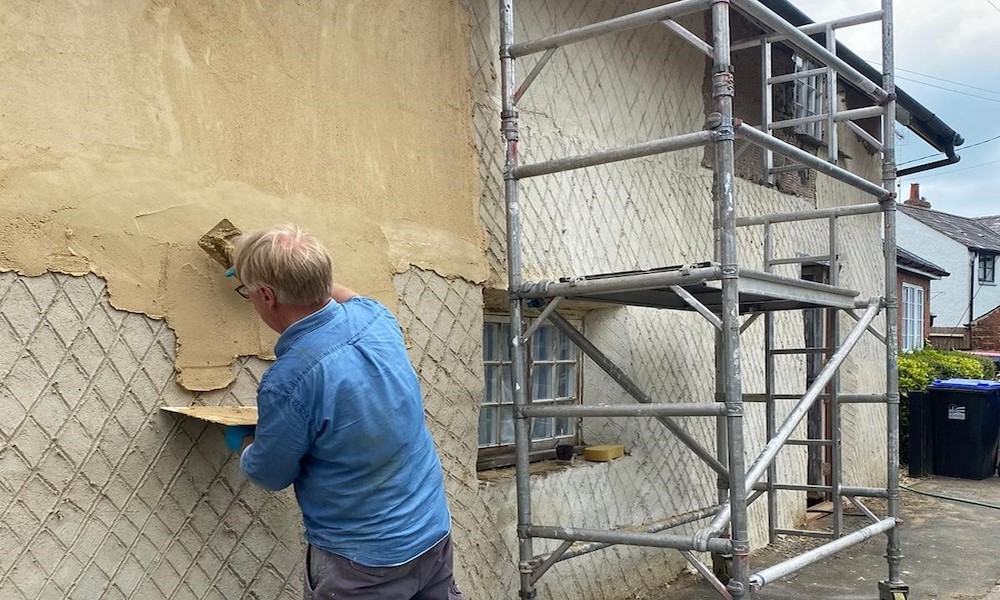
Cement rendering has long been valued as a reliable and durable method for finishing exterior and interior walls. Although it is frequently connected to conventional construction, its adaptability makes it extremely important in contemporary construction and remodelling projects. From residential homes to commercial spaces, cement rendering adapts to a wide variety of surfaces, offering both functional and aesthetic benefits. Opting for professional Sydney rendering services ensures cement finishes are applied correctly across various surfaces, enhancing durability while achieving a consistent and polished look.
A Flexible Solution For Multiple Surface Types
One of the greatest strengths of cement rendering lies in its ability to be applied to different types of surfaces. Whether working with brick, concrete blocks, or stone, cement render creates a smooth and uniform finish that enhances the overall look of a structure.
For older properties, it provides a practical way to cover uneven or damaged surfaces, restoring them to a clean and polished appearance. In new builds, it serves as a protective outer layer that strengthens walls and improves durability. This flexibility makes cement rendering a go-to choice for both construction and renovation.
Enhancing Brick Surfaces
Brick walls are among the most common surfaces for cement rendering. While exposed brick can have its own charm, rendering allows homeowners to achieve a more contemporary finish. It transforms traditional brickwork into a sleek surface that can be styled with different textures.
Cement rendering also adds an extra layer of protection to brick walls, shielding them from moisture and environmental wear. This helps extend the lifespan of the structure while reducing maintenance needs over time.
Adapting To Concrete And Block Walls
Concrete and block surfaces are ideal candidates for cement rendering due to their strong and stable nature. The render bonds effectively to these materials, creating a durable coating that enhances both strength and appearance.
In commercial settings, rendered concrete walls often provide a professional and uniform look. The ability to apply different finishes allows builders to achieve specific design goals without compromising on durability.
Revitalising Older Surfaces
Cement rendering is particularly valuable in renovation projects where surfaces may have aged or deteriorated. Cracks, uneven textures, and surface imperfections can be covered effectively, giving older buildings a fresh and updated look.
By revitalising these surfaces, cement rendering reduces the need for extensive structural repairs. It provides a cost-effective solution that improves both the appearance and performance of existing walls.
Customising Finishes And Textures
Another key aspect of cement rendering’s versatility is the range of finishes it offers. From smooth and polished surfaces to textured designs, it can be tailored to suit different architectural styles.
This customisation allows property owners to achieve unique visual effects that complement their design preferences. Whether aiming for a modern minimalist look or a more traditional finish, cement rendering provides the flexibility to bring those ideas to life.
Supporting Interior Applications
While often used for exterior walls, cement rendering is also suitable for certain interior applications. It can be used to add texture, make feature walls, or provide sections that need resilience with a uniform finish.
In spaces such as garages or utility areas, cement rendering offers a tough surface that can withstand daily wear. Its ability to perform in both interior and exterior settings further highlights its adaptability.
Providing Long-Term Durability
Durability remains one of the defining benefits of cement rendering. Once applied, it forms a solid protective layer that resists impact and environmental stress. This makes it suitable for high-traffic areas and locations exposed to changing weather conditions.
With proper application and maintenance, cement-rendered surfaces can maintain their strength and appearance for many years. This long-term reliability adds significant value to any property.
Conclusion
Cement rendering continues to stand out as a versatile solution for a wide range of surfaces. Its ability to adapt to different materials, enhance durability, and offer customisable finishes makes it an essential choice in both modern and traditional construction. Whether improving the look of a new build or revitalising an older structure, cement rendering delivers a balance of strength, flexibility, and visual appeal that meets diverse project needs.
