

Summer heat arrives faster than most people expect. One mild spring week can turn into consecutive days of high temperatures, and an air conditioner that sat idle through winter may not be ready. Completing thorough pre-summer AC maintenance now helps the system run more efficiently, reduces the chance of mid-season breakdowns, and keeps your home comfortable when demand peaks. Taking care of these steps early also supports better indoor air quality and can lower strain on the equipment.
A smart approach combines simple homeowner tasks with professional support when needed. Starting with seasonal AC maintenance sets a strong foundation before the hottest weather hits.
Check and Replace the Air Filter
A dirty filter is one of the most common causes of reduced airflow and higher energy use. Dust, pollen, and pet dander build up over months and force the blower to work harder. Locate the filter (often near the indoor air handler or return grille), hold it up to a light source, and replace it if you cannot see through it clearly. Match the exact size printed on the frame and note the airflow arrow direction when installing the new one. During heavy cooling months, plan to check it every 30 to 60 days, especially in dusty conditions or homes with pets.
Clear Space Around the Outdoor Unit
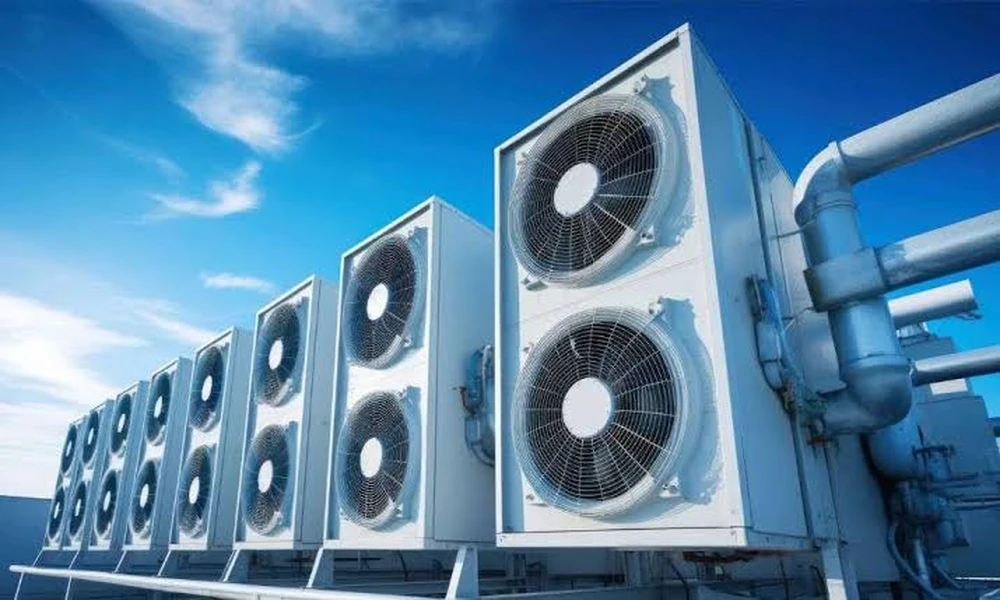
The outdoor condenser needs room to release heat. Leaves, grass clippings, mulch, and overgrown plants can restrict airflow and cause the unit to overheat. Clear at least two feet of open space on all sides and above the unit. Remove debris from the top and base, then trim back nearby shrubs or vines. Avoid stacking tools, furniture, or storage items nearby. This simple step improves heat transfer and helps the system operate with less strain.
Inspect Indoor Vents and Registers
Walk through every room and confirm that supply and return vents remain open and unobstructed. Furniture, rugs, curtains, or stored items can block airflow and create uneven temperatures. Closing vents in unused rooms is not recommended-it can raise pressure in the ductwork and reduce overall efficiency. Wipe away visible dust from the grilles so air moves freely.
Test the Thermostat and Controls
Replace batteries in battery-powered thermostats before the season begins. Switch the system to cooling mode and lower the setpoint a few degrees below the current room temperature. Confirm that the indoor unit starts promptly, cool air flows from the vents, and the outdoor fan runs. Program any preferred schedules or energy-saving settings while the weather is still mild so you can address problems without urgency.
Flush or Inspect the Condensate Drain
As the air conditioner removes humidity, moisture drains through a condensate line. Algae, mold, or debris can clog this line and lead to water backups or system shutdowns. Locate the drain (often a PVC pipe near the indoor unit or outdoor condenser) and carefully flush it with a mixture of white vinegar and water if accessible. Watch for standing water around the unit after a test run, which may signal a blockage that needs professional attention.
Clean the Outdoor Coils Gently
Dirt and debris on the condenser coils reduce heat-rejection efficiency. With power turned off at the breaker, use a garden hose on a gentle spray setting to rinse the fins from the inside outward. Never use a pressure washer or stiff brush, as either can bend the delicate aluminum fins. Allow the unit to dry fully before restoring power. Professional technicians can perform deeper coil cleaning when buildup is heavy.
Examine Refrigerant Line Insulation
The insulated copper lines that carry refrigerant between the indoor and outdoor units should remain intact. Check the foam insulation for cracks, missing sections, or sun damage. Damaged insulation allows energy loss and can reduce cooling performance. Replace or repair any compromised sections promptly.
Listen and Watch During a Full Test Run
Run the system for 10 to 15 minutes on a day when outdoor temperatures are moderate. Listen for grinding, rattling, screeching, or persistent clicking. Note weak airflow, warm air from vents, unusual odors, or longer-than-normal cycles. These symptoms often point to issues best addressed before peak demand.
Look for Visible Leaks, Damage, or Level Problems
Inspect the outdoor unit for bent fins, damaged panels, or signs of refrigerant oil stains. Confirm that the unit sits level; shifting can affect drainage and operation. Inside, check around the air handler for moisture or corrosion. Address minor issues early rather than waiting for a failure on a hot afternoon.
Schedule Professional Service When Needed
Many critical tasks-refrigerant level checks, electrical connection testing, internal coil cleaning, and capacitor inspection-require trained technicians and specialized tools. A pre-season tune-up identifies developing problems and verifies that the system is ready for sustained use. Most experts recommend annual professional service, ideally timed before the heaviest cooling demand.
Completing these ten checks gives your air conditioner the best chance to perform reliably through the season. Homeowners who handle the straightforward items and bring in pros for the rest typically enjoy steadier comfort and fewer emergency repairs. Start early, stay consistent with filter changes, and keep the outdoor unit clear throughout the summer for the strongest results.
Conclusion
Investing time in pre-summer AC maintenance delivers clear benefits: better cooling performance, improved energy efficiency, and fewer unexpected failures when you need your air conditioner most. By addressing filters, outdoor unit clearance, vents, thermostat settings, drainage, coils, insulation, and system testing, you complete the core elements of effective seasonal AC maintenance.
Pair these steps with a professional tune-up when needed, and your system stays ready for sustained summer use. Consistent pre-summer AC maintenance not only extends equipment life but also supports cleaner indoor air and more predictable utility costs. Make pre-summer AC maintenance a regular part of your home routine so your air
