

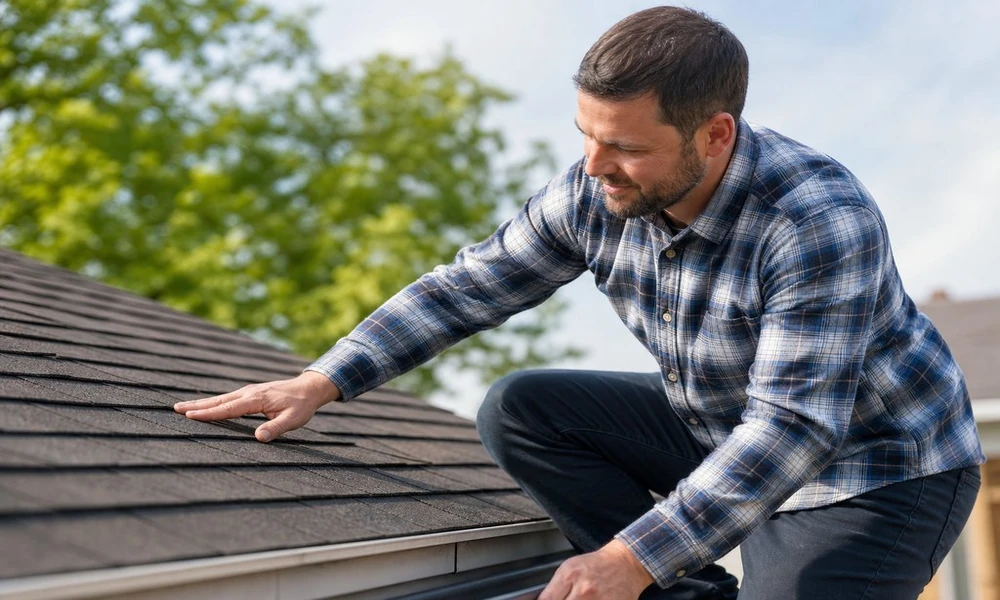
There’s a lot that a roof does for a house, and it doesn’t take much in the way of prompting to do that work. Rain pours down on it, wind tries to lift it up, and those things keep the space inside safe, but most of us rarely think about the roof itself unless we see a water stain on our ceiling. For those looking to develop more informed homeowner practices, there’s no better place to start than with a roof.
There are ways to notice that something is amiss, to ask good questions, and to get the job done before it becomes a major project.
Warning Signs
Just by walking around the outside of the house, you can spot some issues. You’re looking for any telltale signs of damage, like curling, cracking, loosening, or missing shingles. Are there spots that look darker, sagging, or generally out of alignment with the rest of the roof? Is there an excess of shingle granules in the gutters? If you notice flashing around chimneys, vents, and skylights that looks loose, or gutters that are pulling away from the roof, you should investigate further.
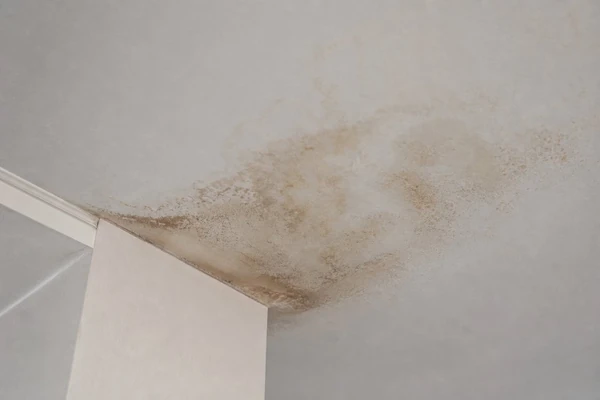
Indoors, you can look for water stains on ceilings, peeling paint on walls, and general mustiness near the roofline. Even if a leak isn’t directly dripping on a surface, there’s likely an issue somewhere.
Damage and Decisions
A leak might happen anywhere, including at joints, transitions, or where there are holes. Water takes the path of least resistance, so even a small amount of moisture can cause damage.
Any water that gets behind shingles will seep into the underlayment, wood decking, insulation, and ultimately into living spaces. That could mean a small area above the roof will need extensive repairs or that a simple re-shingle job is all that is needed.
This is why you should check on your roof periodically, particularly after storms or other bad weather conditions. Doing a visual check every year is a smart thing to do, though you don’t need to obsessively monitor your roof at all times.
Repair or Replacement
You might not need to replace the entire roof, especially if only a portion has been damaged. But you will need to have a conversation with a roofing company to see what is the best course of action based on the state of your roof; the practical side of HHH Roofing & Construction starts there.
If you can’t understand the scope of work they’re suggesting, that’s a sign they’re not communicating well. Find out why they recommend certain actions, ask how long you should wait before having work done, and know whether you should get another opinion.
Also find out what you shouldn’t overlook: How will water be drained away from areas where it could pool or collect? What’s the condition of vents, chimneys, skylights, etc.? Are there signs of moisture underneath the roof? What steps will be taken to ensure no harm comes to outdoor plants, furniture, or pets? What will happen if the situation is worse once the roofing company pulls off the existing roof? Make sure you are shown any issues found before they proceed.
Records also make the conversation with your insurance company easier following a storm. Take pictures of the roof and outside of your home and date them, along with any receipts from previous repairs and maintenance.
If you notice the problem all of a sudden, call your insurance company and find out what they need to see before they allow you to fix it (non-emergency). If you have to take emergency action to fix the leak, document what you did and how/why you did it.
You may be asked for documentation that shows what condition the roof was in before the incident.
Project Preparation
Family and Property
Some homeowners forget to plan around their families’ needs. Even though a roofing project will be completed in a short amount of time, it’s still disruptive.
Clear your driveway so that workers can get around easily. Move breakables and other valuables out of the way. Figure out what you’ll do with pets during the duration of the project.
Cleanup is something you’ll want to ask about, too. No matter how careful the crew is, there will be small bits of roofing material that end up scattered around the property. Find out how they’ll clean up and whether they’ll walk the entire property to ensure nothing was left behind. Learn more here.
Taking Action
You shouldn’t have to go crawling all over your roof to determine its status. But you should know when to call for help.
Have notes and photographs ready to show your roofing company. Mark any areas that are damaged, write down any leaks or repairs you’ve had, and note any recent weather events that might be worth pointing out. Take a walk around your house and take photos of areas you’d like a professional to examine.
