

The Options
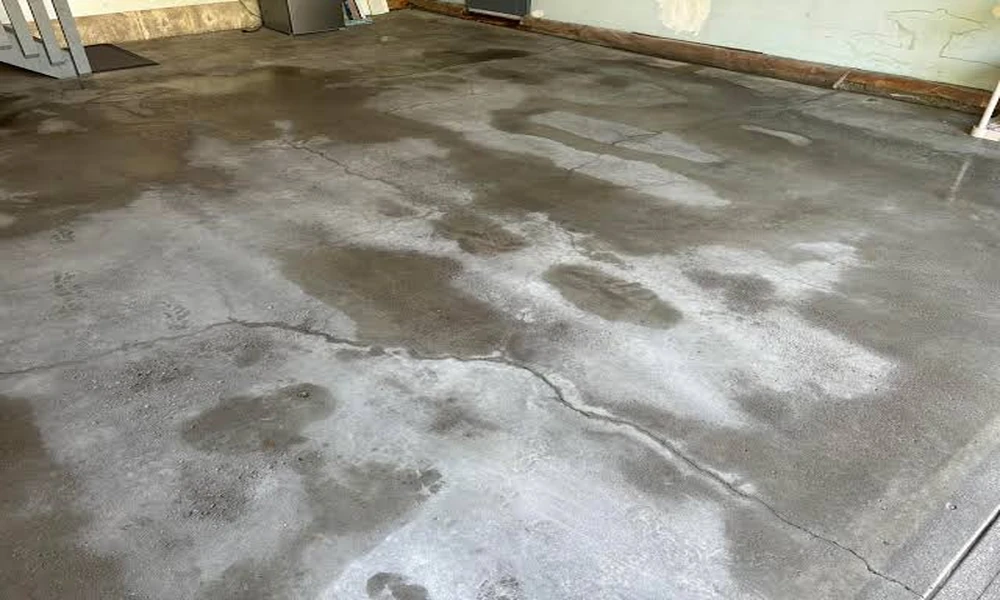
A cracked or crumbling garage floor rarely stays a cosmetic issue for long. Water seeps into hairline fractures, freezes during Calgary winters, and widens those cracks until the slab starts to heave or crumble at the edges. Left unattended, the damage spreads to door frames, drainage channels, and eventually the foundation itself, turning a simple repair into a structural project. Ignoring the problem also means living with uneven surfaces that make parking, walking, and storing equipment increasingly difficult. The freeze-thaw cycle common to this region accelerates that timeline, often turning a minor crack into a serious repair within a single winter.
Homeowners facing this situation generally choose between patch repairs, resurfacing, and full slab replacement. Patch repairs address isolated cracks or small spalled areas with epoxy or polymer-modified concrete, offering a fast and affordable fix for minor damage. Resurfacing applies a new layer across the entire floor, hiding surface wear while adding a measure of protection against future moisture intrusion. Full replacement removes the existing slab and pours a new one, which becomes necessary when the concrete has settled unevenly or suffered extensive freeze-thaw damage throughout its depth. Each option comes with trade-offs in cost, longevity, and the amount of disruption to daily use of the garage.
How to Evaluate
Choosing among these options starts with an honest assessment of how deep the damage actually goes. Surface-level cracks that haven’t affected the slab’s structural integrity often respond well to patching, while widespread pitting or sections that flex under weight point toward resurfacing or replacement. Many homeowners searching for garage floor repair in Calgary find that a professional inspection reveals problems invisible to the untrained eye, including subsurface voids or moisture trapped beneath the slab. That inspection step matters because a repair chosen without it can fail within a year or two. Cracks wider than about a quarter inch, or ones that continue to grow season after season, usually signal deeper structural movement rather than surface wear.
Cost is another factor, though it shouldn’t be the only one. Patch repairs cost the least upfront but may need repeating if the underlying cause, like poor drainage or soil movement, isn’t addressed. Resurfacing sits in the middle price range and buys several years of protection when the base slab remains sound. Replacement carries the highest cost but eliminates recurring problems tied to a failing foundation, which can save money over a decade of ownership.
Making the Decision
The right choice depends on how the garage gets used and how long the current slab is expected to last. A garage used mainly for parking a single vehicle can often tolerate a patch or resurface for years before replacement becomes unavoidable. A garage that doubles as a workshop, storage space for heavy equipment, or a space with in-floor drainage demands a higher standard of durability, since repeated stress accelerates any existing weakness. Vehicles that leak oil or fluids regularly also wear down repaired surfaces faster, which is worth factoring into the decision.
Climate plays a role too, and Calgary’s freeze-thaw cycles put unusual stress on concrete repairs that weren’t installed with proper air entrainment or curing time. Following Portland Cement Association guidance on mix design and joint spacing helps contractors avoid repeating the same failures that caused the original damage. Homeowners who ask about these details before signing a contract tend to end up with repairs that last through multiple winters rather than one. Contractors who skip these standards may deliver a floor that looks fine in the fall but cracks again by spring.
Ultimately, the decision comes down to balancing upfront cost against how many years of reliable use the floor needs to provide. A slab with isolated damage and a solid base rarely needs full replacement, while a floor with widespread deterioration will keep generating repair bills until it’s addressed at the source. Getting a second opinion before committing to a large project remains one of the simplest ways to avoid overspending or underestimating the scope of work ahead.
