

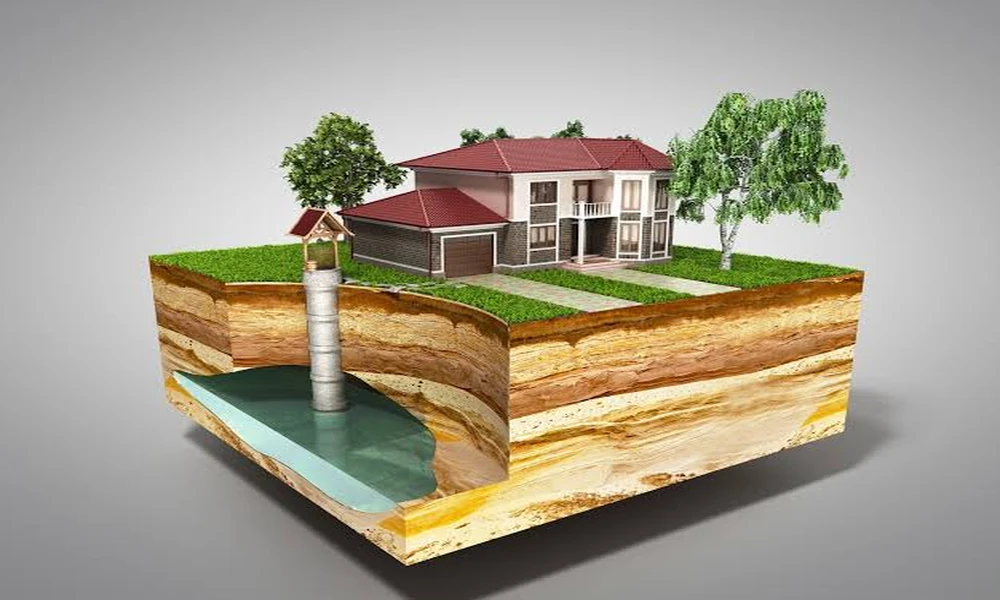
Across the rural edges of southeast metro Atlanta, many homes run on a closed loop. Water comes up from a private well, moves through the kitchen, bathrooms and laundry room, then flows out to a septic tank and drain field a short walk from where it started. The same soil that cleans the wastewater also surrounds the well.
Because a problem on one end so often shows up on the other, plenty of households in Henry, Rockdale and Newton counties rely on a local team like TK & Sons Plumbing that works on wells, septic tanks and household pipes alike, instead of juggling separate contractors who each see only half the picture.
That setup works well for decades when both halves get attention. Trouble usually begins when homeowners think of them as two unrelated systems, one for water and one for waste, and forget that the ground between them is doing most of the work.
Following One Gallon Through the Loop
Picture a single gallon of water. A submersible pump lifts it from the aquifer into a pressure tank, which keeps your faucets running at a steady flow. From there it fills a coffee pot, rinses dishes or runs through a shower.
Once it goes down the drain, it travels to the septic tank. Inside, heavy solids sink to form sludge while grease and lighter material float to the top as scum. The liquid in the middle, called effluent, moves on to the drain field.
The drain field is where the real treatment happens. Effluent seeps through gravel and into the soil, where bacteria break down pathogens and nutrients. Given enough distance and healthy soil, that water eventually rejoins the groundwater clean. The U.S. Environmental Protection Agency points out that a failing septic system, or one placed too close to a well, can send contaminants straight into the drinking water supply.
Distance Is the First Line of Defense
Every state and many counties set a minimum distance between a well and any part of a septic system. These setbacks exist because soil needs room to filter. Shorter paths mean less treatment before effluent reaches groundwater.
Direction matters as much as distance. A well sitting uphill from the drain field has a natural advantage, since groundwater tends to follow the slope of the land. A well downhill from it is working against gravity.
Your neighbor’s system counts too. On smaller rural lots, the closest drain field to your well might sit across the property line. If you’re buying a home or drilling a new well, ask the county health department for any permit records that show where nearby systems sit.
Where the Loop Tends to Break
Most well contamination tied to septic systems traces back to a handful of familiar causes:
- Skipped pump-outs. When sludge builds too high, solids escape into the drain field and clog the soil, so effluent pools near the surface instead of filtering down.
- Damaged well caps or casings. A cracked cap or a casing that sits flush with the ground lets surface water, insects and runoff slip directly into the well.
- Saturated soil after storms. Days of heavy rain can flood a drain field, leaving the soil unable to treat effluent until it dries out.
- Forgotten old wells. Abandoned wells that were never properly sealed act like open channels from the surface to the aquifer.
- Harsh chemicals down the drain. Solvents, paint thinner and large doses of bleach kill the bacteria that treat wastewater in both the tank and the soil.
None of these problems announce themselves loudly at first. A drain field can struggle for months before you notice soggy grass or a sewage smell, and bacteria in well water usually has no taste at all.
Red Clay Changes the Math
Much of the Georgia Piedmont sits on dense red clay. Clay filters well, but it absorbs water slowly. That means drain fields here often need more area to handle the same daily flow, and they recover more slowly after a wet stretch.
Some properties also have sandy pockets or shallow rock. Sand lets effluent move fast, sometimes too fast for full treatment. Rock close to the surface leaves little soil to work with. This is why a soil evaluation comes before any new septic design, and why adding a bedroom or a bathroom can mean the original drain field is no longer big enough.
Trees add another variable. Roots from willows, maples and other thirsty species seek out the moisture in drain lines and well casings. Over time they can crack pipes or block the flow to the field.
Testing Tells You What the Eye Cannot
Public water systems are tested constantly. Private wells are tested only when the owner arranges it. The EPA’s guidance for private well owners recommends regular testing and explains which contaminants matter most.
A yearly test for total coliform bacteria and nitrates is a sensible baseline for a home with a septic system nearby. Nitrates in particular often signal that wastewater is reaching the aquifer. Test again after flooding, after any work on the well or septic system, or whenever the water changes in color, smell or taste.
Keep the results in one folder. A slow upward trend in nitrate levels over several years tells you far more than a single reading, and it gives you time to act before levels become a health concern.
Small Habits on Both Ends
Caring for the loop doesn’t take much effort once it becomes routine. Spreading laundry across the week instead of running five loads on Saturday gives the drain field time to absorb each batch. Fixing a running toilet can save hundreds of gallons a day that would otherwise flood the tank.
It also helps to know exactly where everything is. Sketch a simple map showing the well, the tank lid and the drain field, and keep it with your home records. That map stops anyone from parking a truck, building a shed or planting a garden on top of the drain field, and it saves time when the tank is due for pumping, which for most households falls every three to five years.
Around the well, keep the ground sloped away from the casing so rainwater drains off rather than pooling. Store fertilizer, fuel and pesticides well away from it, and never mix or rinse those products nearby.
A home on a well and septic system has a kind of independence that city water can’t offer. No monthly water bill, no main line breaks across town affecting your faucet. The tradeoff is that you become the manager of your own small water utility. Treat the well and the tank as two parts of one system, give the soil between them room to work, and that loop can keep supplying clean water for generations.
