

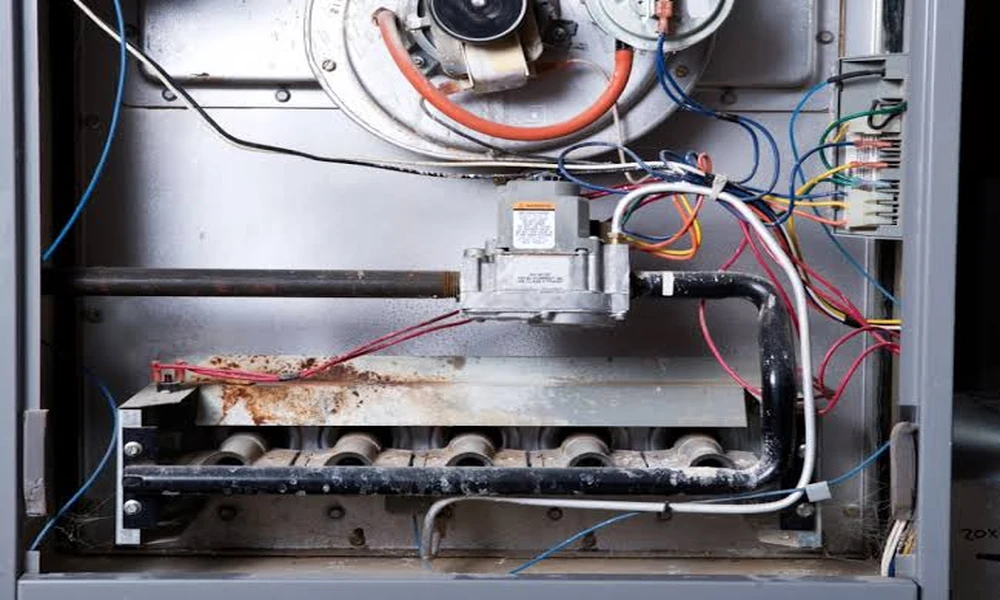
Few winter surprises are as annoying as hearing the blower start up and then feeling cool air from every vent. The system sounds like it’s working, the thermostat says heat, and the house keeps getting colder. It’s one of the most common heating complaints. Sometimes the cause is trivial, and sometimes the furnace is protecting itself from a real problem.
The good news is that this symptom follows a pattern. When you know which part of the heating sequence failed, you can often tell in a few minutes whether it’s a two-second fix or a job for a professional.
Plenty of these calls end with nothing more than a thermostat setting changed or a filter swapped. Other times the furnace has locked itself out after repeated failed ignitions, and that needs testing equipment. A technician handling Bells County heating repair can measure gas pressure, check flame signal strength and test safety switches, none of which a homeowner can do safely. Before that call, though, it helps to understand what the furnace is trying to tell you.
Start With the Thirty Second Checks
Look at the simple things before you assume anything is broken:
- Check that the thermostat is set to Heat, not Cool or Off, and that the fan is set to Auto. On the On setting, the blower runs nonstop and pushes room temperature air between heating cycles.
- Replace thermostat batteries if the display looks faint or blank.
- Pull out the air filter. A clogged filter is behind a surprising number of no-heat calls.
- Make sure the switch near the furnace, which often looks like an ordinary light switch, is on.
- Check the breaker panel for a tripped furnace circuit.
If all of that checks out and the air is still cold, the problem is inside the furnace.
What Cold Air Reveals About the Problem
A gas furnace starts up in a fixed order. The inducer motor starts, a pressure switch confirms the vent is clear, the igniter glows, the gas valve opens, a sensor confirms there’s a flame, and the main blower starts. Cold air means that sequence broke somewhere after the blower decided to run.
The Burners Never Light
If you never hear the soft whoosh of ignition, the igniter or gas supply is the usual suspect. Hot surface igniters are brittle and crack with age. A blocked vent pipe or a weak inducer can also keep the pressure switch from closing, and then the control board won’t open the gas. Many furnaces try three times and then lock out for an hour. That’s why the heat may come back briefly and then disappear again.
The Flame Lights and Then Dies
When the burners light for a few seconds and then shut off, the flame sensor often can’t confirm the flame. A thin coating of residue on the sensor rod is enough to cause this. Low gas pressure and a poor ground connection can produce the same symptom. The blower may keep running afterward to cool the heat exchanger, which feels exactly like cold air coming through the vents.
Heat Comes and Goes
A furnace that heats for a few minutes, blows cool air, then heats again is often tripping its high limit switch. That switch shuts down the burners when the heat exchanger gets too hot. The usual causes are a clogged filter, closed supply registers, or a crushed duct in the attic. If it keeps happening, the switch is warning you about an airflow problem. Running the furnace hot again and again stresses the heat exchanger.
Condensate Problems in High Efficiency Units
High efficiency furnaces produce water. If the drain line or trap clogs, a float switch shuts the system down so it won’t flood. Sometimes the blower keeps going while the burners stay off. A gurgling drain or water around the base of the unit is a strong clue.
Heat Pump Homes Behave Differently
Heat pumps naturally deliver air that feels cooler than a gas furnace’s, usually somewhere in the 90s at the register instead of 120 degrees or more. That can feel cold on your hand even when the system is working fine.
There are also two real failure modes. During defrost, the outdoor unit briefly reverses itself to melt frost, and backup heat strips are supposed to warm the indoor air while that happens. If those strips or their relays fail, every defrost cycle sends chilly air through the house. A heat pump that’s low on refrigerant will also heat weakly long before it stops completely.
Signs to Stop Troubleshooting
Some symptoms call for shutting the system off and calling a professional instead of experimenting:
- A smell of gas or rotten eggs. Leave the house and call the gas utility from outside.
- A carbon monoxide alarm going off.
- Burner flames that look yellow, lazy or uneven instead of crisp and blue.
- Scorch marks or soot around the furnace cabinet.
- Breakers or fuses that trip again right after being reset.
When a Repair Raises Bigger Questions
Most cold air problems come down to inexpensive parts such as an igniter, sensor, pressure switch or drain trap. Age changes the math, though. On a furnace past 15 or 20 years old with a cracked heat exchanger or a failed control board, many homeowners compare the repair quote with the cost of a new system.
Efficiency comparisons can help with that decision. Federal rules require manufacturers to put a yellow EnergyGuide label on new furnaces, and that label makes it easy to compare models side by side, even in areas with mild winters. In those milder regions, a furnace runs fewer hours each year, so the payback on a premium unit is often slower than in colder places.
Good habits do more to prevent the next cold blast than any upgrade. Change the filter on schedule, keep the area around the furnace clear, flush the condensate line once a season, and book a checkup before the first cold snap. Most igniters, sensors and drains give subtle warnings before they fail, and a short service visit in the fall is the easiest time to catch them.
