

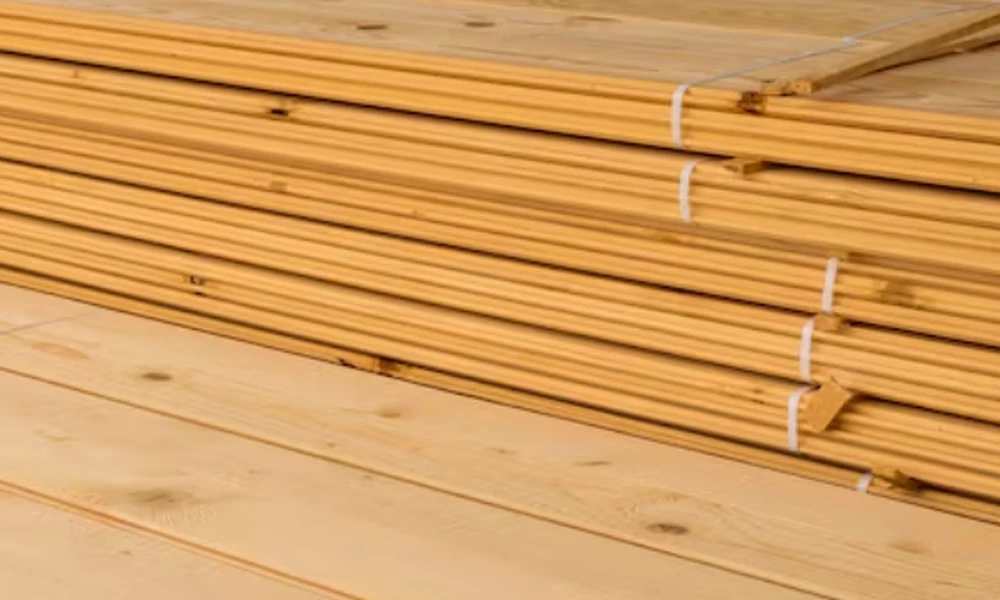
Plywood is among the most versatile materials that is used in home improvement and construction projects. From furniture and cabinets to wall sheathing and flooring it is appreciated because of its strength, durability and its ease of use. But, selecting the right thickness of plywood can have a significant impact on the quality of your work.
Many believe that plywood with a thicker thickness is superior, however that’s not the case in all cases. The proper thickness will depend on the kind of project being undertaken and the amount of weight it must support, as well as how it will be placed. Knowing these aspects will ensure that the final structure is sturdy, stable and long-lasting.
The Concept of Standard Plywood Thickness
Plywood can be made in a variety of common thicknesses. The most widely offered options are:
1/4 inch
3/8 inch
1/2 inch
5/8 inch
3/4 inch
While these are the standard dimensions however, the actual thickness could be smaller due to sanding that occurs during the process of manufacturing. Each thickness is used for different purposes dependent on the specifications of the project’s structural structure.
Thin Plywood to be used for Lightweight Projects
Thin plywood sheets, like the 1/4 or 3/8 inch are usually used in projects where strength of the structure is not the primary goal. They are flexible and light, making them ideal for decorative surfaces as well as backing panels.
For instance thin plywood is often used to make cabinets’ backs and bottoms or wall paneling. Since these types of applications don’t need the wood to bear a significant amount of weight, thin plywood offers an efficient and economical solution.
But thin plywood should not be used in construction applications or in areas in which heavy loads are put on it.
A Medium Thickness Construction Material for General Construction
Plywood that is half inch thick is typically employed for general construction as well as DIY projects. This thickness offers the perfect balance between durability and strength.
It is suitable for shelves, furniture components for interior spaces and a variety of sheathing for walls. When supported properly with braces or frames 1/2 inch plywood can take on moderate loads and remain light and simple to cut.
For many home improvement projects this thickness provides enough durability without adding weight.
Thick Plywood to increase Structural Strength
In cases where stability and strength are essential, a more sturdy plywood is often the most suitable choice. Sheets measuring 5/8 inches or 3/4 inch thick are often employed in structural projects.
For instance, 3/4-inch plywood is often employed to build cabinetry, subfloors as well as shelves that are heavy-duty. The more dense layers of it provide the strength required to support weight and resist stretching in the course of time.
In flooring systems that are made of thicker plywood is able to distribute loads more evenly over flooring joists. This improves overall durability and stops the floor from sagging.
Take a look at the Support Structure
Another crucial aspect to consider when choosing plywood thickness is the space between support structures, such as the joists or studs. If the plywood spans more space between the supports it is typically needed to avoid stretching or bending.
For instance, shelving that has broad spans often need more solid plywood in order to be stable in the face of weight. Equally, flooring placed over joists with wide spacing requires greater thickness to preserve the structural solidity.
If the plywood is completely supported by an unsupported surface or tightly spaced framing, the less dense materials can still be effective.
The weight and load requirements are for the vehicle.
The weight that plywood has to support also is a significant factor in determining the right thickness. For example, decorative shelving or light shelving might only require thinner plywood, while shelves for storage or workbenches that hold heavier items will require a more robust material.
When planning a construction project, it’s helpful to consider the load currently being supported and any potential weight that the structure might require to carry.
Final Thoughts
Selecting the appropriate thickness of plywood is an essential aspect of any DIY or construction project. Thicker sheets are suitable for lightweight or decorative purposes and thicker sheets give the strength required to support structural needs and large load applications.
When you consider the type of project as well as the structure of the support structure and the weight requirements, you can choose a thickness of plywood that provides the ideal combination of stability, strength, and practicality. It is important to take the time to select the appropriate material can ensure your project will be robust and long-lasting for the years to be.
This post was written by a professional at Anawalt Lumber. Anawalt Lumber is a family-owned lumber yard and hardware store serving Los Angeles for over a century. Known for quality lumber, contractor supplies, hardware, and a full-service nursery, Anawalt provides personalized service for homeowners and licensed contractors. From job pricing and bulk discounts to special-order materials with fast delivery, Anawalt is your trusted local building supply partner in Malibu, West LA, and Hollywood.
