

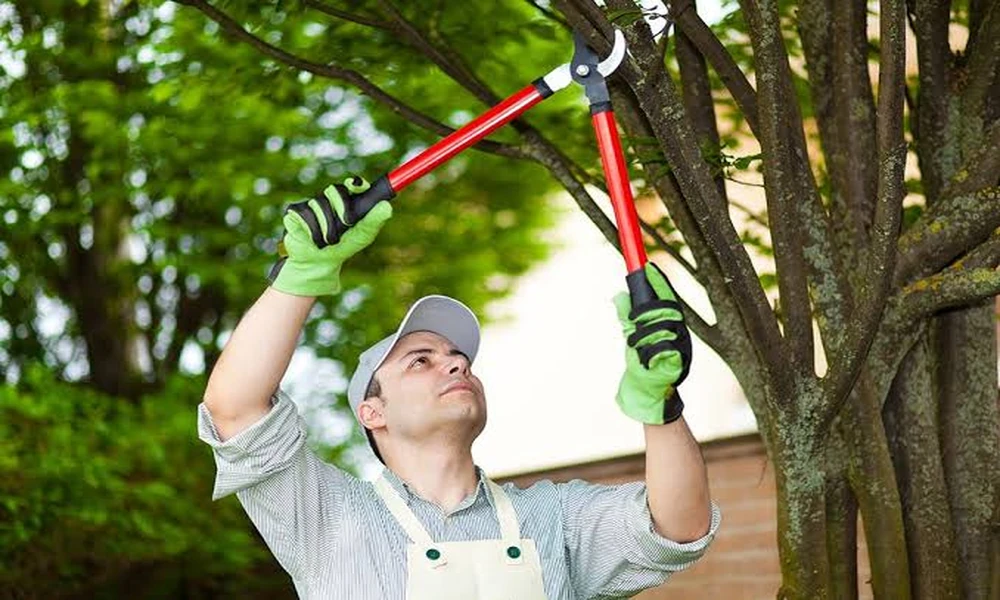
A tree left entirely to its own devices does not necessarily grow healthier for the lack of intervention, since deadwood, crossing branches, and overcrowded growth can all quietly weaken a tree over several seasons. Tree pruning done at the right time and in the right way encourages stronger structure and better long-term health rather than simply tidying up appearances for the neighbours. Understanding tree pruning is the foundation for any maintenance routine worth actually following through on.
Choosing the Right Season for Pruning
Most species respond best to pruning during their dormant period, when the tree is not actively channelling energy into new leaf or fruit growth and can recover from cuts with less overall stress. Pruning during active growth can still be necessary for removing damaged or diseased branches, but routine shaping is generally better scheduled around the tree’s natural dormancy rather than at its most active point in the year. Getting this timing wrong repeatedly can leave a tree visibly weaker after several seasons of otherwise well-intentioned maintenance.
Making Clean Cuts That Heal Properly
A clean cut just outside the branch collar allows a tree to seal the wound naturally, while a ragged or poorly placed cut leaves an opening that decay and pests can exploit for months afterward. Using sharp, properly maintained tools matters as much as knowing where to cut, since a dull blade crushes tissue rather than slicing through it cleanly in a single motion. This single detail is often what separates a cut that heals over cleanly from one that becomes an entry point for disease.
Removing Deadwood Before It Becomes a Hazard
Dead branches are not just unsightly, they are structurally unreliable and can fall without warning during wind or heavy rain, posing a genuine risk to anything or anyone standing beneath them at the time. Removing deadwood as part of routine pruning is one of the simplest ways to reduce this risk before it ever becomes a genuine incident on the property, and it is usually the quickest part of any pruning visit to complete.
Reading a Tree’s Natural Growth Pattern First
Every species has a natural branching habit, and pruning that respects this pattern tends to produce a stronger, more balanced tree than pruning that fights against it in pursuit of a particular shape someone happened to prefer. Spending time observing how a tree naturally wants to grow before making the first cut avoids the common mistake of forcing an unnatural form that the tree will simply fight to regrow past every following season.
Thinning the Canopy for Better Airflow
A dense canopy traps moisture and blocks airflow, creating conditions that favour fungal disease and pest infestation more readily than a canopy thinned to let light and air move through properly. Selective thinning removes a portion of interior growth without altering the tree’s overall shape dramatically. Comparing this against tree cutting shows how pruning and full removal call for genuinely different skill sets entirely.
Correcting Structural Weaknesses Early
Branches that grow at a narrow, weak angle to the trunk are more prone to splitting under load than those with a wider, stronger attachment point supporting them properly. Identifying and correcting these weak unions while a tree is still young is considerably easier and less disruptive than addressing the same issue once the branch has grown large and heavy over many years, at which point removal becomes a far bigger job.
Avoiding Over-Pruning in a Single Session
Removing too much canopy in one session stresses a tree considerably, forcing it to divert energy into recovery rather than continued healthy growth for that season and potentially the next as well. A general guideline of removing no more than a modest percentage of live canopy in any single pruning session helps keep the tree’s overall health intact throughout the process.
Recognising When a Job Needs a Professional
Pruning at height, near power lines, or involving large limbs requiring rigging is not a reasonable weekend project for most property owners, regardless of how straightforward the actual cuts might appear from ground level. A professional brings both the equipment and the judgement to handle these situations safely, without unnecessary risk to the person doing the work or the property surrounding it.
Building Pruning Into a Regular Maintenance Routine
A tree pruned once and left alone for years tends to develop the same structural issues all over again, which is why pruning works best as a recurring routine rather than a single corrective event. Establishing a schedule alongside broader tree maintenance keeps a tree in consistently better condition than sporadic, reactive attention ever could.
What Healthier Pruning Looks Like Over Time
A well-pruned tree develops a stronger, more balanced structure over successive seasons, with fewer weak unions, less deadwood, and better airflow through the canopy than a tree left entirely unmanaged for years. Committing to a proper pruning routine, rather than an occasional trim when growth becomes visibly excessive, is what actually produces a healthier tree over the long run.
