

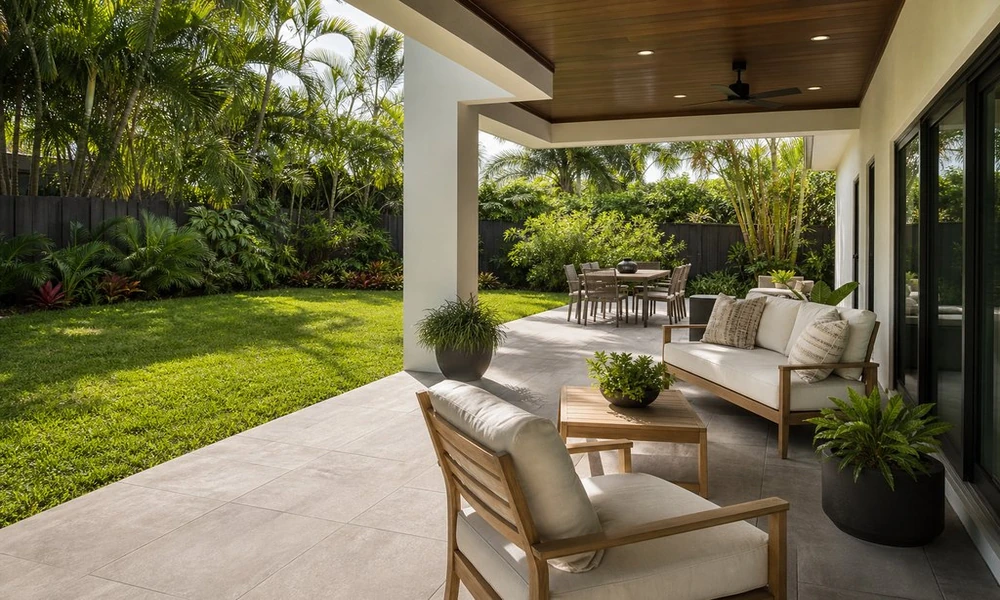
Residential patio design
Real Life Defines the Layout
Photos and ideas provide the starting point for a patio project, but the best plan will incorporate your daily habits and how you want to use the space into the final design. Patios serve many purposes, from dining and cooking to gardening with containers or providing pets with their own access to the outdoors. Other options include children’s areas, fireplaces or other fire features, or just a comfortable place to sit.
Dining and cooking areas usually demand the largest space, especially if you want to entertain a large group. When measuring, keep in mind you will need at least 3 feet behind the chairs to allow people to get up and sit down without disturbing others.
Other uses and activities that require space will include storage areas for garden tools, seating areas, or space for other amenities you’d like to include in the design.
You may have ideas for where to build the patio, but you also need to consider how you’ll use that space on a daily basis. Check for obstacles, such as walkways, steps, and doors, that can impact your use of the space. You’ll also want to check the location of any garden beds that will be close to the hardscape area, so they don’t encroach on your space or force you to work around them.
Mark a boundary for your intended hardscape area and walk around the space at different times of day. See if there’s adequate access, and pay attention to lighting and shade in the area.
How Will Water Leave the Patio?
Once you have an idea of what the dimensions will be, take into consideration how the slope will impact the hardscape. Patios should slope away from the foundation, so check your plan in that respect. The sub-layers of the patio will be compacted to ensure proper drainage, keeping the area level and moving water away from the patio and house. For a local reference, patio installation Miami is the page from the team at Gaven Constructions that matches this.
It’s also good to plan the direction of water runoff, especially during heavy rains – WMO explains the why of it at wmo.int/topics. Determine how to handle the flow of water so you avoid pooling on the hardscape or flooding walkways, garden beds, or your neighbor’s fence.
Materials Set the Maintenance Routine
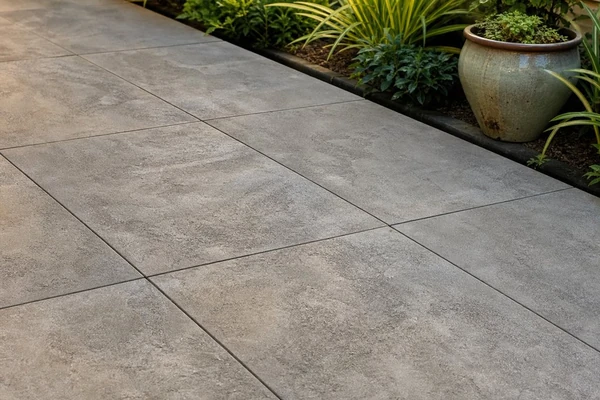
Patio paving materials
The surface of your hardscape should reflect the use, aesthetics, and maintenance you anticipate for the space. Some ideas to consider in your material selection:
- Concrete provides a more continuous surface but can be finished in various textures.
- Pavers provide many design options with diverse looks, and offer the benefit of being able to replace individual stones.
- Natural stone offers variety in color and texture that can be enhanced by varying the placement.
- Gravel has a more relaxed feel to complement a garden but can offer less stability for placing furniture or other items.
Your budget will also play a role in the material you select, both for its price and how much you are willing to spend on maintenance. For example, if you don’t want to spend too much time maintaining your patio, then gravel or pavers may be a better choice. Likewise, you’ll need to consider how easily you can make repairs. Pavers are easily repaired, while replacing a section of concrete or stone might not be as easy.
Before breaking ground, it’s important to locate any underground utilities. Some patios will be attached to lights, outdoor kitchens, and so on. It’s best to determine where any conduit and/or sleeves will be located and get them into place before you lay down the base.
Miami’s climate also should play a factor, along with layout. Heat and humidity can be a big consideration to your patio as well, so allot space for shade be it trees, umbrellas, structures, etc., making sure to clear any posts or roots that may interfere with your patio.
Style Connects the Patio and Landscape
The style of your home should also influence the look of your patio. A more formal house will complement stone or pavers, while a more relaxed atmosphere can complement the irregular shape of some patio options. The overall look of your yard also needs to be taken into consideration, as you’ll want the hardscape and softscape elements to complement each other.
Think about where the edge of the patio will meet the softscape elements in the area. A straight edge creates a more architectural and crisp line, while a curve can help transition the space back into the garden. Plants can add a soft edge between hardscape and softscape, but keep the plants and shrubs around the area on the smaller side so they don’t consume too much space. Containers also offer a nice transition, and can be placed where there’s shade or other challenging conditions.
Finally, check for any special considerations for light placement and electrical wiring, as you’ll need to account for them in your hardscape plan.
