

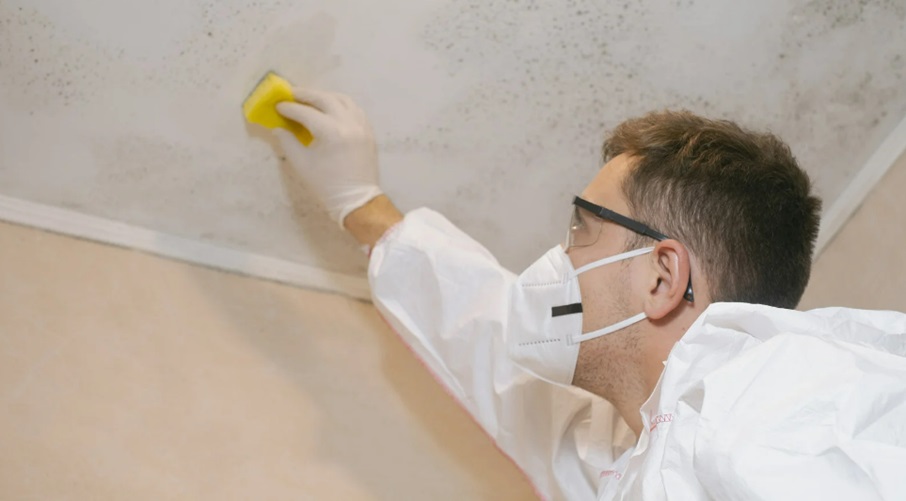
Mold inspection reports can often be daunting documents filled with technical jargon and detailed findings. A mold inspection in Atlanta is crucial for ensuring the safety and health of your property. This guide aims to demystify these reports, helping you understand the critical elements that you need to focus on to ensure a mold-free environment. Regular inspections and proper understanding can prevent potential health risks and maintain the structural integrity of your property.
What is Included in a Mold Inspection Report?
A typical mold inspection report will include several sections detailing the findings of the inspector. Initially, the report will provide an overview of the inspected areas, identifying any visible signs of mold growth, water damage, or moisture intrusion. Detailed descriptions often follow, alongside photographs that aid in visualizing the problem areas.
Key Mold Inspection Actions
To effectively gauge the mold situation, it’s essential to understand the key actions undertaken during a mold inspection. Inspectors thoroughly examine moisture levels, mold spores, and possible water leaks. Identifying these factors early can mitigate serious damage and health hazards. For a deeper dive into the essential actions of mold inspection, you can explore this comprehensive guide.
Interpreting Mold Testing Results
Mold testing results are integral to any inspection report. These include lab analysis of samples collected, primarily to identify the type and concentration of mold spores. Elevated mold levels indicate an indoor mold problem that requires immediate remediation. Understanding the implications of these results is crucial in taking appropriate action.
Professional Assessment
Engaging with experienced professionals for mold inspection ensures a thorough evaluation of potential mold risks in your property. Experts are trained to identify even the subtle signs of mold growth and moisture intrusion. Additionally, knowing what to expect during a professional mold inspection can alleviate concerns and set clear expectations. For detailed insights on professional mold inspections, you can refer to this expert resource.
Conclusion
Understanding mold inspection reports significantly aids in maintaining a healthy and safe living environment. By focusing on critical areas of the report, comprehending mold testing results, and enlisting the help of professionals, you can ensure thorough mold remediation and prevention. Regular inspections, coupled with informed responses to findings, are crucial for keeping properties mold-free.
Frequently Asked Questions
Q1: How often should mold inspections be conducted?
A: It is advisable to have mold inspections annually or whenever you notice signs of mold, water damage, or unusual health symptoms among residents.
Q2: What areas are most susceptible to mold growth?
A: Mold usually thrives in areas with high moisture levels, such as basements, kitchens, bathrooms, and around windows and roofs that leak.
Q3: Can I perform a mold inspection myself?
A: While you can inspect for visible signs of mold, professional inspections provide a more comprehensive analysis, including lab tests and moisture mapping, that are beyond the scope of a DIY approach.
Q4: What should I do if my mold test results are positive?
A: If the test results indicate high levels of mold, immediate remediation actions should be taken by engaging certified mold remediation professionals to address and resolve the issue.
