

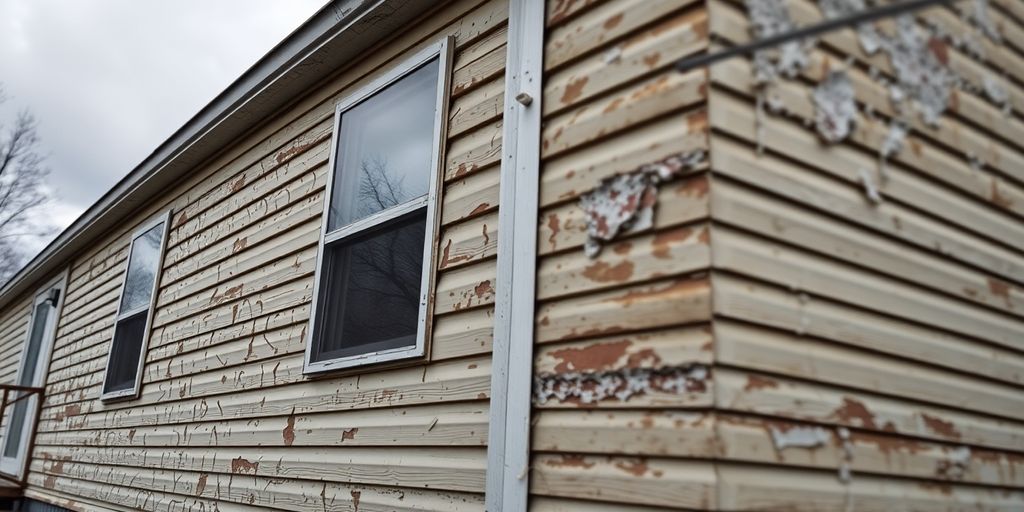
Historical Use of Asbestos in Construction
In the past, asbestos was a popular choice in the construction industry, especially in homes built before the 1980s. Its heat-resistant and durable properties made it ideal for various applications. Asbestos was often found in insulation, roofing materials, and even textured paints. Despite its widespread use, the dangers of asbestos exposure were not fully understood until later. This lack of awareness led to its incorporation in many building materials, posing potential health risks to occupants.
Common Materials Containing Asbestos
Manufactured homes from earlier decades might contain asbestos in several components. Here are some common materials where asbestos was used:
- Insulation: Both pipe wrap and sprayed-on insulation could contain asbestos fibers.
- Flooring: Vinyl and linoleum tiles, as well as some carpet backings, were often made with asbestos.
- Ceiling and Wall Tiles: Asbestos-cement composites were used for their fire-resistant qualities.
These materials were chosen for their durability and fire resistance, yet they now represent a health hazard if disturbed.
Regulations and Bans on Asbestos Use
As the health risks became evident, regulations were introduced to limit the use of asbestos. The Environmental Protection Agency (EPA) played a significant role in implementing bans on asbestos-containing materials. By the late 1970s, many of these materials were phased out, and strict guidelines were established to manage existing asbestos in homes. However, older manufactured homes may still harbor asbestos, necessitating careful management and potential removal by professionals. Understanding these regulations helps homeowners ensure they comply with safety standards and protect their health.
For those living in older homes, identifying potential asbestos hazards is crucial. Homes constructed prior to the 1980s may contain asbestos, making it important to recognize and safely manage these risks. Additionally, asbestos is categorized into two main types, serpentine and amphibole, which differ in fiber shape and composition, further complicating the identification process.
Health Risks Associated with Asbestos Exposure
Respiratory Diseases Linked to Asbestos
Breathing in asbestos fibers is a serious concern because these tiny particles can lodge themselves in lung tissue. Over time, this can lead to diseases such as asbestosis, a chronic lung condition that causes scarring and difficulty breathing. Asbestosis is particularly dangerous because it can gradually worsen over time, leading to severe respiratory issues. People with prolonged exposure to asbestos are at higher risk, but even short-term exposure can be harmful. The fibers are so small that they can remain airborne for long periods, making them easy to inhale unknowingly.
Cancer Risks from Asbestos Fibers
Asbestos exposure is the primary cause of mesothelioma, a rare and aggressive cancer affecting the lining of the lungs, abdomen, or heart. This disease often takes decades to develop, which means symptoms might not appear until many years after exposure. In addition to mesothelioma, asbestos can also increase the risk of lung cancer and other cancers, such as those affecting the larynx and ovaries. Short-term exposure to asbestos dust can also result in mesothelioma and other cancers, although the risk is generally lower unless the exposure is intense.
Long-term Health Implications
The long-term health implications of asbestos exposure are severe and often life-threatening. There is no safe level of asbestos exposure, and the risk increases with the amount of asbestos inhaled. Once inhaled, asbestos fibers can cause inflammation and scarring, leading to chronic health problems. Breathing in asbestos fibers poses serious health risks, including mesothelioma, lung cancer, and asbestosis. Monitoring for these conditions is crucial for those who have been exposed, as early detection can provide more treatment options and potentially improve outcomes.
Identifying Asbestos in Older Manufactured Homes
Signs of Asbestos Presence
In older manufactured homes, particularly those built before the 1980s, asbestos was a common building material. Recognizing the signs of asbestos is crucial for maintaining a safe living environment. While you can’t see asbestos fibers themselves, there are some indicators that may suggest its presence. Homes from this era often feature materials like popcorn ceilings, vinyl flooring, and certain types of insulation that are known to contain asbestos. It’s important to note that the mere presence of these materials doesn’t confirm asbestos, but it does warrant caution.
Professional Asbestos Testing
The only definitive way to confirm the presence of asbestos is through professional testing. Homeowners should never attempt to test or remove asbestos themselves due to the health risks involved. Certified professionals have the expertise and equipment to safely collect samples and analyze them in a lab. This process not only ensures accurate results but also minimizes the risk of exposure. When hiring a professional, ensure they are certified and experienced in asbestos testing and abatement.
Visual Clues and Material Age
While you can’t identify asbestos just by looking, certain visual clues can hint at its presence. Asbestos materials, such as gaskets and washers, commonly appear in grey but can also be found in white, brown, or black shades. The age of the home is a significant factor; homes built before 1980 are more likely to contain asbestos. Additionally, materials that appear brittle, damaged, or crumbling are more likely to release asbestos fibers into the air. Always approach these materials with caution and seek professional advice if you suspect asbestos.
Common Locations of Asbestos in Manufactured Homes
Insulation and Roofing Materials
In many older manufactured homes, asbestos was commonly used in insulation and roofing materials. The mineral’s fire-resistant properties made it a popular choice for these applications. Asbestos was often mixed into cement and other materials to create durable roofing and insulation products. This means that if your home was built before the 1980s, there’s a chance it might contain asbestos in these areas. It’s crucial to be aware of this, especially if you’re considering renovations or repairs.
Flooring and Ceiling Tiles
Another common place to find asbestos in manufactured homes is in the flooring and ceiling tiles. Asbestos was frequently used in vinyl flooring, linoleum tiles, and even some carpet backings. Ceiling tiles, particularly those with a textured finish, might also contain asbestos. If these materials are disturbed, they can release asbestos fibers into the air. Therefore, it’s important to handle any changes to these parts of your home with care.
Textured Wall Coatings
Textured wall coatings, such as those used for decorative finishes, often contained asbestos. Prior to the 1970s, these coatings were popular for their aesthetic appeal and durability. If your manufactured home has textured wall surfaces, especially if they are old, they might be hiding asbestos. It’s advisable to have these materials tested by professionals before undertaking any work that might disturb them.
For those concerned about the presence of asbestos in their home, it’s important to consider the common locations where asbestos might be found. This includes cement flooring, insulation, and vinyl flooring, among others. Being informed about these potential risks can help in making safer decisions regarding home maintenance and renovation.
Safety Measures for Suspected Asbestos
Avoiding Disturbance of Materials
When asbestos is suspected in a home, it’s vital to keep the materials intact. Disturbing asbestos-containing materials can release harmful fibers into the air, increasing exposure risks. Homeowners should refrain from sawing, sanding, or drilling into these materials. Instead, they should consult professionals for any necessary work.
Limiting Access to Affected Areas
Restricting access to areas where asbestos might be present is a smart move. This minimizes the chance of disturbing the material and reduces potential exposure. Consider using barriers or signs to keep people away from these areas, especially children and pets.
Seeking Professional Inspection
Hiring a professional asbestos inspector is crucial if asbestos presence is suspected. They have the right tools and expertise to safely assess the situation without causing further disturbance. A certified inspector can provide a thorough analysis and recommend the next steps, ensuring that any asbestos is managed safely and effectively.
Steps to Take if Asbestos is Confirmed
Hiring Certified Asbestos Abatement Professionals
Once asbestos is confirmed in a home, the first and most important step is to hire certified asbestos abatement professionals. These experts are trained to handle asbestos safely and effectively. Attempting to remove asbestos yourself can be extremely dangerous, as disturbing the material may release fibers into the air, posing serious health risks. Professionals have the right equipment and knowledge to manage asbestos removal or encapsulation, ensuring the safety of everyone involved.
Understanding the Abatement Process
Understanding the asbestos abatement process can help homeowners feel more at ease during what can be a stressful time. The process typically involves several key steps:
- Initial Assessment: The abatement team conducts a thorough inspection to determine the extent of asbestos presence.
- Preparation: Areas with asbestos are sealed off to prevent contamination of other parts of the home.
- Removal or Encapsulation: Depending on the situation, asbestos materials are either removed or sealed in place.
- Final Inspection and Testing: After the work is completed, a final inspection ensures that all asbestos has been handled properly.
Legal and Safety Considerations
Homeowners should be aware of the legal and safety considerations when dealing with asbestos. Regulations, such as those outlined by the asbestos NESHAP regulations, require comprehensive inspections before any demolition or renovation involving asbestos-containing materials. Compliance with these laws is crucial to avoid potential legal issues and ensure the safety of all occupants. Additionally, there may be state or local regulations that further dictate how asbestos must be handled and disposed of, so consulting with a professional who is familiar with these laws is advisable.
Living Safely in a Manufactured Home with Asbestos
Maintaining Proper Ventilation
Ensuring good air circulation is essential in homes with potential asbestos materials. Proper ventilation helps reduce the concentration of any airborne fibers, minimizing the risk of inhalation. Regularly open windows and doors to allow fresh air to flow through the home. Consider using fans to enhance air movement in areas where ventilation might be limited.
Regular Inspections and Monitoring
Conducting regular inspections is crucial to identify any changes in the condition of asbestos-containing materials. Engage a certified inspector to assess the home periodically. They can provide insights into whether asbestos is present and if any materials have become damaged or deteriorated. Consistent monitoring helps in taking timely action to prevent exposure.
Precautions During Renovations
When planning renovations, it is vital to take precautions to avoid disturbing asbestos materials. Never attempt DIY removal or repairs on suspected asbestos-containing components. Instead, consult with professionals to handle renovations safely. They can guide you on which areas are safe to work on and ensure that any asbestos is managed according to safety standards.
By adhering to these practices, residents can significantly reduce the health risks associated with asbestos exposure. Living in an older manufactured home doesn’t mean you have to compromise on safety; with the right precautions, you can maintain a healthy living environment.
The Role of Professional Asbestos Inspectors
Importance of Certified Inspectors
When it comes to dealing with asbestos, the role of a certified inspector is absolutely critical. These professionals are trained to identify asbestos-containing materials safely and effectively. They know exactly what to look for and how to handle any potential hazards. Without their expertise, homeowners might unknowingly expose themselves to dangerous asbestos fibers. Certified inspectors not only identify the presence of asbestos but also provide guidance on the best course of action, whether it involves removal, encapsulation, or simply monitoring the materials.
Inspection Techniques and Tools
Professional asbestos inspectors use a variety of techniques and tools to detect asbestos. Some common methods include:
- Visual Inspections: Inspectors look for signs of asbestos in building materials, especially in older homes.
- Sampling: They collect samples of suspected materials for laboratory testing.
- Air Monitoring: This involves checking the air quality to detect airborne asbestos fibers.
These tools and techniques help ensure that any presence of asbestos is accurately identified, and appropriate measures are taken to manage it.
Interpreting Inspection Results
Understanding the results of an asbestos inspection can be complex. Inspectors provide detailed reports that explain the findings in simple terms. They outline the type and extent of asbestos present and recommend steps to ensure safety and avoid potential consequences. It’s essential for homeowners to discuss these results with the inspector to fully understand the implications and decide on the next steps. Inspectors also help in coordinating with abatement professionals if removal or encapsulation is necessary, ensuring a comprehensive approach to managing asbestos in the home.
Legal and Regulatory Framework for Asbestos in Homes
EPA Guidelines and Standards
The Environmental Protection Agency (EPA) has played a significant role in shaping the legal landscape surrounding asbestos. The EPA’s National Emission Standards for Hazardous Air Pollutants (NESHAP) are crucial in maintaining air quality and reducing health risks from asbestos exposure. These standards cover a range of activities, including renovations and the transportation and disposal of asbestos waste. In April 2019, the EPA introduced a final rule banning certain uses of asbestos that were no longer available or regulated by other laws. However, as of 2024, only chrysotile asbestos has been fully banned, leaving other types still in circulation.
State and Local Regulations
State and local governments also have their own rules governing asbestos. These can vary widely, but they often focus on the safe removal and disposal of asbestos-containing materials. In some areas, mobile homes used as single-family dwellings may be exempt from certain regulations, such as the Asbestos NESHAP, unless they are part of a larger installation. However, mobile structures used for non-residential purposes might be subject to stricter regulations.
Compliance and Enforcement
Compliance with asbestos regulations is not just a legal obligation but a public health necessity. Homeowners and contractors must adhere to federal, state, and local laws to prevent asbestos exposure. Enforcement is typically carried out by local health departments and environmental agencies, ensuring that any violations are promptly addressed. Ignoring these regulations can result in hefty fines and increased health risks for occupants and workers alike. Understanding these regulations is essential for anyone involved in the renovation or demolition of older homes.
The Future of Asbestos in Manufactured Homes
Innovations in Asbestos Detection
Asbestos detection has come a long way, thanks to new technologies making it safer and more effective. Techniques like air sampling and electron microscopy are now common. These advancements help identify asbestos fibers more accurately. Companies like Gould and Asbeter are leading the way by managing large amounts of asbestos waste, which significantly reduces health risks. With ongoing research, these methods are only getting better, promising quicker and more reliable results.
Alternatives to Asbestos Materials
The construction industry is actively seeking alternatives to asbestos. Safer materials, such as cellulose fibers and thermoset plastic flour, are being used more frequently. These materials not only match asbestos in terms of durability and heat resistance but also eliminate the health risks associated with asbestos exposure. As awareness grows, the demand for these alternatives is expected to rise, leading to broader adoption in manufactured homes.
Ongoing Research and Developments
Research into asbestos and its alternatives is ongoing. Scientists are continually exploring new ways to improve safety and efficiency in asbestos management. This includes developing better abatement techniques and exploring innovative materials for construction. The future looks promising, with a strong focus on minimizing asbestos-related health issues while maintaining the structural integrity of manufactured homes. As these developments unfold, they will play a crucial role in shaping the safety standards and regulations surrounding asbestos in the housing industry.
Links
Robert King Mesothelioma Law Services
