

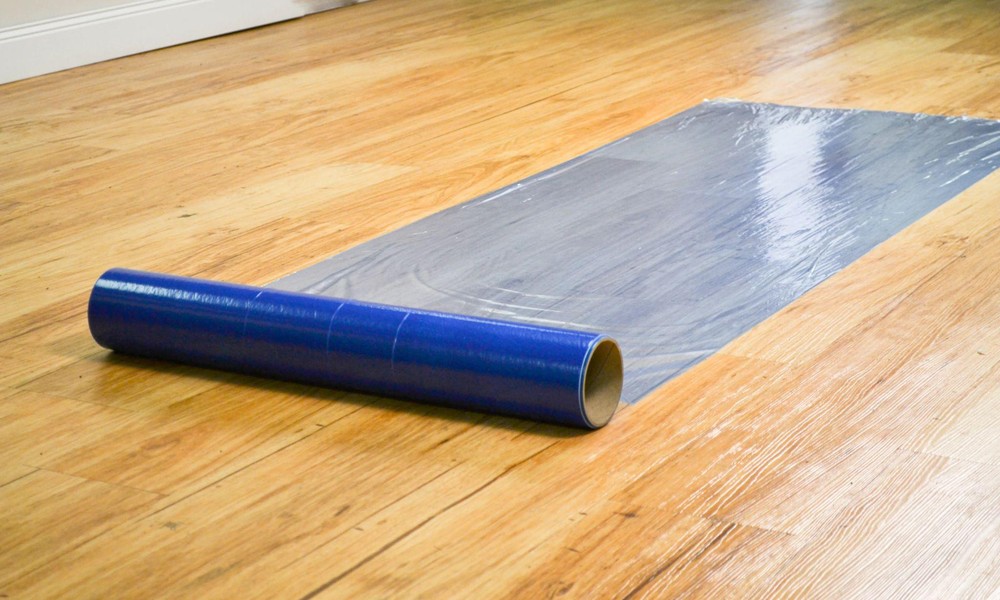
Flooring is one of the most vulnerable-and expensive-elements in any construction or renovation project. From heavy foot traffic to falling tools, paint spills, and dust accumulation, even minor damage can result in costly repairs or full replacement.
High-performance floor protection films have emerged as a reliable, efficient solution to safeguard surfaces throughout the construction process.
Why Floor Protection Matters
Construction environments are inherently harsh. Workers move equipment, materials are dragged across surfaces, and debris accumulates quickly. Without proper protection, floors can suffer scratches, dents, stains, and structural damage. According to industry sources, protective coverings act as a physical barrier that absorbs impacts and prevents direct contact between hazards and the floor surface.
Additionally, floor protection enhances jobsite safety. Many modern films feature slip-resistant surfaces, reducing the risk of accidents caused by dust or debris on exposed flooring. This dual function-protection and safety-makes high-performance films essential for both residential and commercial projects.
What Are High-Performance Floor Protection Films?
High-performance floor protection films are temporary, self-adhesive or loose-laid coverings designed to shield floors during construction. Typically made from durable polyethylene or advanced polymer blends, these protection films are engineered to withstand demanding conditions.
They offer several key characteristics:
- Tear and puncture resistance to handle heavy foot traffic and equipment
- Waterproof or liquid-resistant barriers to prevent damage from spills and moisture
- Clean removal without residue, preserving the original floor finish
- Stable adhesion, preventing slipping or shifting during use
These features make them far superior to traditional materials like cardboard, plywood, or fabric sheets.
Key Benefits of Using Protection Films
1. Prevents Physical Damage
High-performance films absorb the impact of tools, dropped materials, and heavy equipment. Floors are particularly susceptible to scratches and gouges during construction, and protective films act as a sacrificial layer that takes the damage instead.
2. Protects Against Dirt, Dust, and Debris
Construction activities produce significant dust and debris that can become embedded in flooring surfaces. Adhesive films create a sealed barrier that prevents contamination and keeps surfaces clean throughout the project.
3. Shields Against Spills and Moisture
Paint, chemicals, and water can permanently stain or warp floors. Waterproof films prevent liquids from penetrating the surface, ensuring easy cleanup and preventing long-term damage.
4. Improves Jobsite Efficiency
Unlike bulky boards or mats, films are lightweight and easy to install. They can cover large areas quickly and conform to different floor shapes, reducing labor time and simplifying workflow.
5. Cost Savings
Repairing or replacing damaged flooring can significantly increase project costs. Protective films are a low-cost investment that helps avoid expensive rework and delays.
Types of Flooring Suitable for Protection Films
High-performance films are versatile and compatible with a wide range of flooring types, including:
- Hardwood and engineered wood
- Tile, stone, and marble
- Vinyl and laminate
- Carpet and rugs
- Concrete and epoxy floors
Different surfaces may require specific film types or adhesion levels. For example, carpet protection films often feature stronger adhesive backing to stay in place, while delicate hardwood floors require gentler adhesives to avoid damage.
Best Practices for Application
To maximize effectiveness, proper installation and usage are critical:
1. Clean the Surface First
Apply the film evenly to avoid wrinkles and ensure consistent coverage. This improves adhesion and prevents particles from being trapped underneath.
2. Choose the Right Thickness and Adhesion
Areas with heavy foot traffic require thicker, more durable films, while lighter films are suitable for low-traffic zones.
3. Apply Evenly and Securely
Press firmly across the surface to secure strong and uniform adhesion. Self-adhesive films are particularly effective because they stay in place without shifting.
4. Monitor Duration of Use
Most films are designed for temporary use (e.g., 30-60 days). Leaving them on too long may affect removal performance.
5. Remove Carefully
Peel off the film at the end of the project to reveal a clean, undamaged surface. Premium-quality films are designed to remove cleanly without leaving any residue.
Protection Film vs. Traditional Floor Protection
Compared to traditional materials like plywood or paper, high-performance films offer clear advantages:
- Better adhesion and stability (no shifting or curling edges)
- Full-surface coverage with consistent protection
- Lower installation time and labor costs
- Cleaner removal without damage or residue
Traditional coverings may still be useful in extreme heavy-load scenarios, but for most interior construction tasks, films provide a more efficient and reliable solution.
