

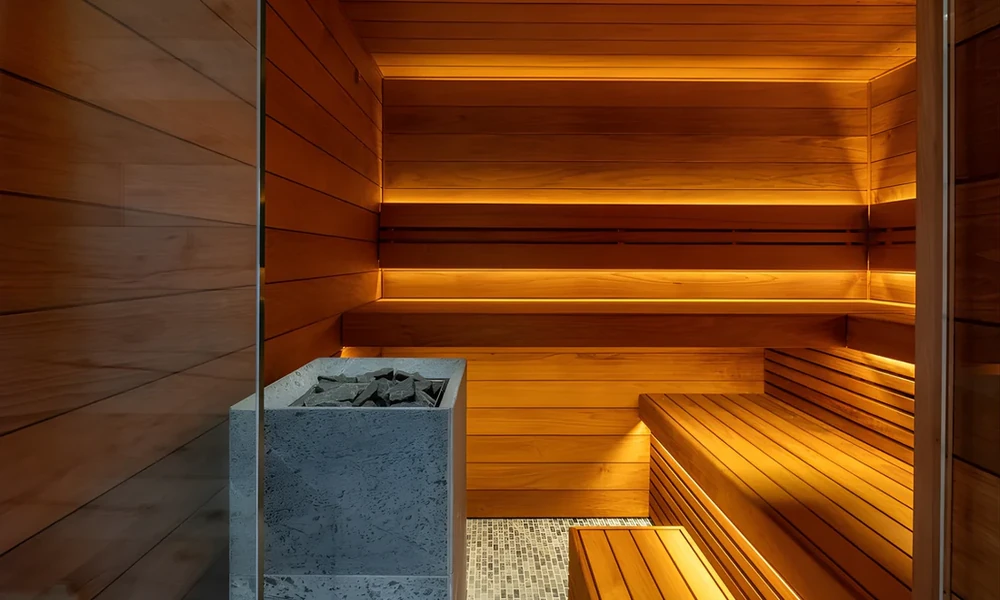
Indoor wellness spaces need steady warmth to support regular use. Good heating depends on careful layout, suitable materials, proper insulation, and balanced airflow. sauna kits can simplify installation while supporting reliable temperature control across the room. Their planned structure helps direct warmth toward different areas without creating sharp hot spots. Well-designed sauna room kits also support easier setup for residential spaces.
How Does Heat Move Evenly?
Heat distribution depends on heater position, room size, ceiling height, and airflow. A suitable arrangement allows warm air to travel through the enclosed area without leaving colder corners. Proper wall insulation helps retain generated warmth while reducing unnecessary heat loss. Interior materials also influence how quickly surrounding surfaces warm during regular use.
What Supports Balanced Warmth Inside?
Room planning plays an important role in maintaining steady temperature levels. The heater should have enough surrounding space for airflow while remaining suitable for the room dimensions. Bench placement can also influence circulation because blocked areas may restrict warm air movement. Thoughtful spacing helps create a more uniform heating pattern throughout the enclosed structure.
Which Materials Help Retain Heat?
Wood selection can influence heat retention while creating a natural interior finish. Dense construction materials help maintain warmth once the desired temperature is reached. Insulated walls reduce heat escaping through surrounding surfaces during operation. Selected materials and structured panels in sauna room kits can support consistent enclosure quality.
What Features Improve Heating Efficiency?
Efficient construction depends on several simple details that work together. Proper sealing reduces unwanted air movement while suitable insulation supports temperature stability. A correctly sized heater prevents unnecessary energy use while maintaining steady warmth. Useful features include:
- Proper insulation reduces heat loss through enclosed wall sections.
- Balanced ventilation supports steady airflow without excessive temperature changes.
- Suitable heater sizing helps maintain dependable warmth during sessions.
- Strong panel connections reduce unwanted gaps around enclosed sections.
- Even bench spacing allows warm air to circulate more freely.
How Can Room Design Maintain Warmth?
Room proportions directly influence how efficiently heat spreads across the interior. Smaller enclosed areas usually require less energy to reach suitable warmth. Ceiling height should remain appropriate because excessive vertical space can affect heat distribution. Good planning also keeps seating areas within effective heating zones. These details help create steady sauna conditions while supporting efficient daily operation.
Selecting suitable indoor heating equipment requires attention to structure, insulation, airflow, and room measurements. A balanced design can reduce uneven temperature areas while supporting dependable operation. Proper material selection strengthens heat retention while sensible placement encourages better circulation. With careful planning, homeowners can create a practical wellness space that maintains steady warmth without unnecessary energy use.
