
 How to Make a Floating Dock with Styrofoam: Plans, Anchoring, Protection
  Importance of BSD ABSD LTV and TDSR in Prime Property Investment Planning
  Reputable Blinds Suppliers: Factors to Consider for Quality Window Shades
  Top Mistakes to Avoid When Pruning Trees Yourself
  How Often Should You Clean Your Vacation Rental in Sevier County? A Practical Guide for Local Hosts
  Support and Hope: Resources Available at Pregnancy Shelters
  Choosing Furniture That Elevates Everyday Living
  Exploring vibrant neighborhood life surrounding Bayshore Drive Condo
  What’s Hot in Floral Design in Australia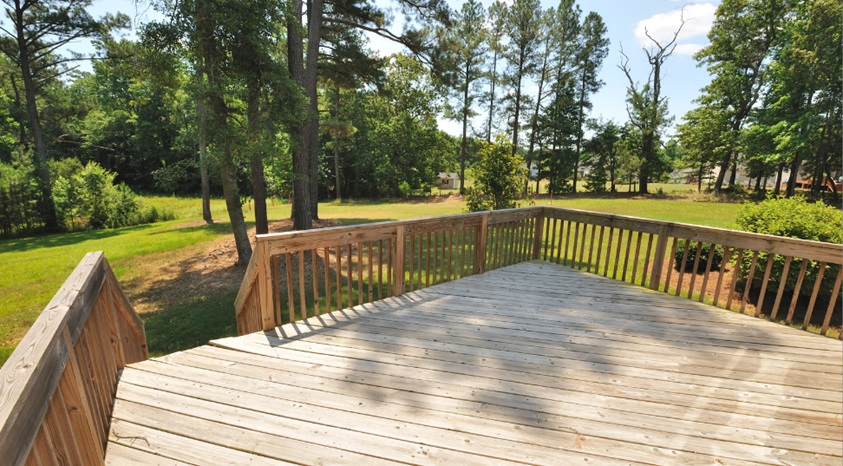
When planning your new outdoor space, the expertise of a deck builder in Atlanta can be invaluable. This professional insight helps in considering various elements like sunlight exposure, scenic views, and accessibility. Understanding your lifestyle needs is crucial in determining the ideal spot for the deck. Some might prioritize a sun-drenched area for basking in the warmth, while others might prefer a shaded nook to escape the midday heat.
Considering Sunlight and Shade
Sunlight exposure plays a vital role in the functionality and comfort of your deck. A south-facing deck will receive the most sunlight throughout the day, ideal for those who love to sunbathe or grow sun-loving plants. Conversely, a north-facing deck will remain cooler and shaded, providing a pleasant retreat during hot summer afternoons. East and west-facing decks offer a balance, receiving morning or evening sunlight, respectively.
Maximizing Scenic Views
Positioning your deck to take advantage of the surrounding views can elevate your outdoor living experience. Whether you’re overlooking a lush garden, a serene lake, or a vibrant cityscape, the right deck placement can make these vistas an integral part of your daily life. For help with this, consider hiring a licensed contractor who can offer valuable advice on maximizing your property’s visual appeal.
Ensuring Accessibility and Flow
An often overlooked aspect is the deck’s accessibility. The deck should be easily reachable from the main living areas of your home, promoting a seamless indoor-outdoor flow. Incorporating stairs or ramps as needed can make the deck user-friendly for everyone in the household. Additionally, considering nearby utilities such as power outlets and water sources can enhance convenience for activities like grilling and outdoor kitchen setups.
Harmonizing with Existing Landscape
Your deck should blend effortlessly with existing natural features and landscaping. Working with the topography rather than altering it extensively can result in a deck that feels harmonious with your surroundings. For design inspiration, it might be helpful to look into five things to consider while designing your deck, which provides practical advice on creating a cohesive and functional outdoor space.
Conclusion
Choosing the perfect deck location requires thoughtful consideration of several key factors, from sunlight exposure and scenic views to accessibility and landscape integration. By taking these elements into account and seeking professional guidance when necessary, you can create a deck that enhances both the aesthetics and functionality of your home, providing a delightful outdoor haven for years to come.
Frequently Asked Questions
Q: How can I ensure my deck remains in good condition year-round?
A: Regular maintenance is crucial for the longevity of your deck. This includes periodic cleaning to remove debris and prevent mold, sealing or staining to protect the wood from the elements, and inspecting for any signs of wear or damage. Hiring a professional for annual checks or significant repairs can also help keep your deck in top shape.
Q: What materials are best for building a durable deck?
A: The choice of materials can significantly impact the durability and maintenance needs of your deck. Popular options include pressure-treated wood, which is cost-effective and resistant to insect damage; composite decking, known for its low maintenance and long lifespan; and natural hardwoods such as cedar and redwood, which offer a balance of durability and aesthetic appeal.
Q: Is it necessary to obtain a permit before building a deck?
A: In many areas, obtaining a permit is required before starting construction on a new deck. This ensures that the deck meets local building codes and safety standards. It’s advisable to check with your local municipality or consult with a licensed contractor who can guide you through the permitting process.
Q: How can I make my deck more environmentally friendly?
A: To enhance the eco-friendliness of your deck, consider using sustainable materials such as recycled composite decking or responsibly sourced hardwoods. Additionally, incorporating features like energy-efficient lighting, using water-based stains and sealers, and ensuring proper waste disposal during construction can further minimize your deck’s environmental impact.
