
 URA outlines 99 year leasehold scale for Penridge Condo with 860 unit potential
 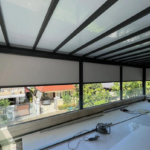 Traditional Roller Blinds vs. Zip Blinds: Which Is Right for You?
  How to Make a Floating Dock with Styrofoam: Plans, Anchoring, Protection
  Importance of BSD ABSD LTV and TDSR in Prime Property Investment Planning
  Reputable Blinds Suppliers: Factors to Consider for Quality Window Shades
  Top Mistakes to Avoid When Pruning Trees Yourself
  How Often Should You Clean Your Vacation Rental in Sevier County? A Practical Guide for Local Hosts
  Support and Hope: Resources Available at Pregnancy Shelters
  Choosing Furniture That Elevates Everyday Living
Functionality, style, and durability are key factors homeowners and designers consider when selecting window coverings.
Two popular options – zip blinds and traditional roller blinds – offer sleek, modern aesthetics and light control, yet differ significantly in performance and application.
Choosing the right type depends on your needs for insulation, privacy, ease of use, and budget.
Here’s an in‑depth comparison to help you decide.
What Are Traditional Roller Blinds?

Traditional roller blinds feature a fabric panel rolled onto a tube positioned at the top of the window. A spring‑loaded mechanism or chain allows the fabric to roll up and down smoothly. The simplicity of the design has made roller blinds a staple in homes and offices for decades.
Pros of Traditional Roller Blinds:
- Affordable & Widely Available: Roller blinds are often less expensive than more advanced systems, making them a budget‑friendly choice.
- Simple Operation: Easy to raise and lower with a chain, spring, or motorized control.
- Variety of Fabrics & Styles: From blackout fabrics for bedrooms to sheer options for living spaces, there’s a wide range of aesthetic choices.
- Low Profile & Minimalist Look: They fit seamlessly into contemporary interiors.
Cons of Traditional Roller Blinds:
- Light Gaps: Standard roller blinds can leave light gaps on the sides, especially in wider windows.
- Limited Insulation: There’s minimal protection against heat loss or gain because the fabric doesn’t seal against the frame.
- Less Wind Resistance: In patios or outdoor areas, traditional blinds can flap or move in the breeze.
What Are Zip Blinds?

Zip blinds (also called zip track blinds) take the roller concept a step further. These blinds slide within side channels, or “zip tracks,” that zip the fabric into place. The tracks prevent movement and light leakage, making them ideal for areas requiring precision performance.
Pros of Zip Blinds:
- Excellent Light Control: The fabric is secured within side channels, significantly reducing light gaps and enhancing privacy.
- Wind Resistance: Zip blinds stay stable even in breezy outdoor spaces like patios or verandas.
- Enhanced Insulation: A snug fit provides better thermal performance, helping keep rooms cooler in summer and warmer in winter.
- Custom Fit & Finish: Zip systems can be tailored to irregular openings and larger expanses of glass.
Cons of Zip Blinds:
- Higher Cost: Due to more complex design and installation, zip blinds are typically more expensive than standard roller blinds.
- Installation Complexity: Expert installation is usually recommended to guarantee that the tracks are properly aligned and function seamlessly.
- Limited Style Range: While functional, zip blinds are often selected for performance over decorative variety.
Side‑By‑Side Comparison
1. Light & Privacy Control
Traditional roller blinds provide good coverage but often leave small gaps at the sides of the window. In contrast, zip blinds offer superior light blockage thanks to the zip tracking system that eliminates these gaps. If you need maximum privacy or darkness – for example, in a bedroom or media room – zip blinds are hard to beat.
2. Durability & Performance
Because the fabric in zip blinds is locked into place, they resist movement and wear better over time, especially in windy conditions. Traditional roller blinds may wear unevenly as they move freely on their tube, particularly with frequent use.
3. Insulation & Energy Efficiency
Zip blinds can create a tighter seal around windows, helping reduce drafts and improve energy efficiency. Traditional blinds still provide some insulation but are less effective due to inherent light gaps.
4. Style & Customization
If aesthetics and variety are your priority, traditional roller blinds have a broader selection of fabrics, colors, and patterns. Zip blinds generally focus more on functionality, though they still come in a range of fabrics suitable for modern interiors.
5. Installation & Cost
Traditional blinds are easier to install and usually more budget‑friendly, which makes them appealing for DIY projects or quick updates. Zip blinds, with their track system, are a bit more complex and tend to cost more upfront.
Which Should You Choose?
Choose Traditional Roller Blinds If:
- You want an affordable yet stylish solution.
- Your priority is interior design and fabric variety.
- Installation simplicity is important.
Choose Zip Blinds If:
- You need top‑level light control and privacy.
- Your space is outdoors or exposed to wind.
- Improved insulation and performance matter to you.
