
 How to Make a Floating Dock with Styrofoam: Plans, Anchoring, Protection
  Importance of BSD ABSD LTV and TDSR in Prime Property Investment Planning
  Reputable Blinds Suppliers: Factors to Consider for Quality Window Shades
 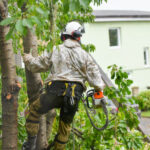 Top Mistakes to Avoid When Pruning Trees Yourself
  How Often Should You Clean Your Vacation Rental in Sevier County? A Practical Guide for Local Hosts
  Support and Hope: Resources Available at Pregnancy Shelters
  Choosing Furniture That Elevates Everyday Living
  Exploring vibrant neighborhood life surrounding Bayshore Drive Condo
  What’s Hot in Floral Design in Australia
Pruning looks simple from the ground. A few cuts, a cleaner shape, done. In practice, small mistakes compound fast. You can stress a healthy tree, invite disease, or create storm hazards that were not there yesterday. Here is a clear guide to the most common missteps and how to avoid them.
1) Topping the canopy
Cutting the top flat seems like a shortcut to height control. It is not. Topping triggers weak, fast shoots and leaves large wounds that decay. Instead, reduce height by cutting back to strong lateral branches that are at least one third the diameter of the limb you remove.
2) Leaving stubs or making flush cuts
Two extremes cause trouble. Stubs delay sealing and become pest magnets. Flush cuts remove the branch collar and bark ridge, which the tree needs to compartmentalize the wound. Aim for a clean cut just outside the collar. Take your time to see that slight swelling where branch meets trunk.
3) Removing too much at once
If you remove more than about a quarter of the live crown in a season, the tree scrambles to replace lost leaves. That panic growth is weak and messy. Spread big goals across several years. It feels slower. It saves the tree.
4) Cutting at the wrong time
Timing matters. Pruning during active heat or drought stresses the tree. Heavy spring cuts can steal energy needed for new growth. Many species handle late winter well. Dead, broken, or hazardous wood can go any time. When in doubt, pick a cool, dry window and keep cuts conservative.
5) Using dull or dirty tools
Dull blades crush tissue. Dirty blades spread disease. Clean with alcohol between trees, even between cuts if you are dealing with suspect wood. Sharpen hand pruners and loppers before you start. You will feel the difference.
6) Ignoring structure in young trees
The cheapest pruning you ever do is early training. Pick a single leader on species that want one. Space permanent branches vertically. Remove competing uprights while they are small. A few thoughtful cuts in years one to three prevent expensive corrections later.
7) Making one big cut without a relief notch
Heavy limbs tear bark as they drop. Use a three cut method. Undercut a short notch a foot from the trunk. Make a top cut outside that notch to remove the weight. Finish with a clean final cut just outside the collar. No tearing. No regrets.
8) Lion tailing the interior
Stripping inner branches and leaving foliage only at the tips looks neat for about a week. Then wind loads bend those long levers and parts break. Keep some inner growth for balance and strength.
9) Pruning near power lines or from a ladder
This is the moment to stop. Electricity arcs farther than you think. Ladders shift. If the work is within falling distance of a line, or if you need to leave the ground to reach it, do not proceed. Call a qualified professional. Your safety matters more than a tidy branch.
10) Sealing wounds with paint
Wound dressings look helpful. Most trap moisture and slow natural sealing. Leave cuts unsealed. The tree’s own defenses do the real work.
11) Skipping aftercare
Pruning is a controlled injury. Water deeply during dry spells, keep mulch in a wide ring off the trunk, and watch for pests. If a cut looks dark or spongy later, reassess your approach next time.
Quick checklist before you cut
- Identify the branch collar and bark ridge
- Clean and sharpen tools
- Plan the three cut method for anything heavy
- Remove no more than 25 percent of live foliage
- Step back often and reassess the shape
- Stop if ladders or lines are involved
Key takeaways
- Small, well placed cuts beat big dramatic ones
- Cuts belong just outside the collar, never flush, never stubby
- Train young trees early for strong structure
- Timing, tool care, and safety change everything
If you are uncertain about a large limb, unusual decay, or a tree that leans over a target, pause. Get a second opinion. Careful pruning keeps trees healthy for decades. Rushed pruning shortens that future in a single afternoon.
This post was written by a professional arborist at Tree Removal Clearwater FL. Robert Miller is the owner of Arbor Wise Professional Tree Care, a locally owned and operated tree service company that offers superb lawn care by the most experienced Arborists. Arborwise Tree Services is a tree removal company that offers stump removal, tree pruning, stump grinding, fertilization, and tree restoration. We have an extraordinary lawn care industry notoriety covering the Pinellas county area.
